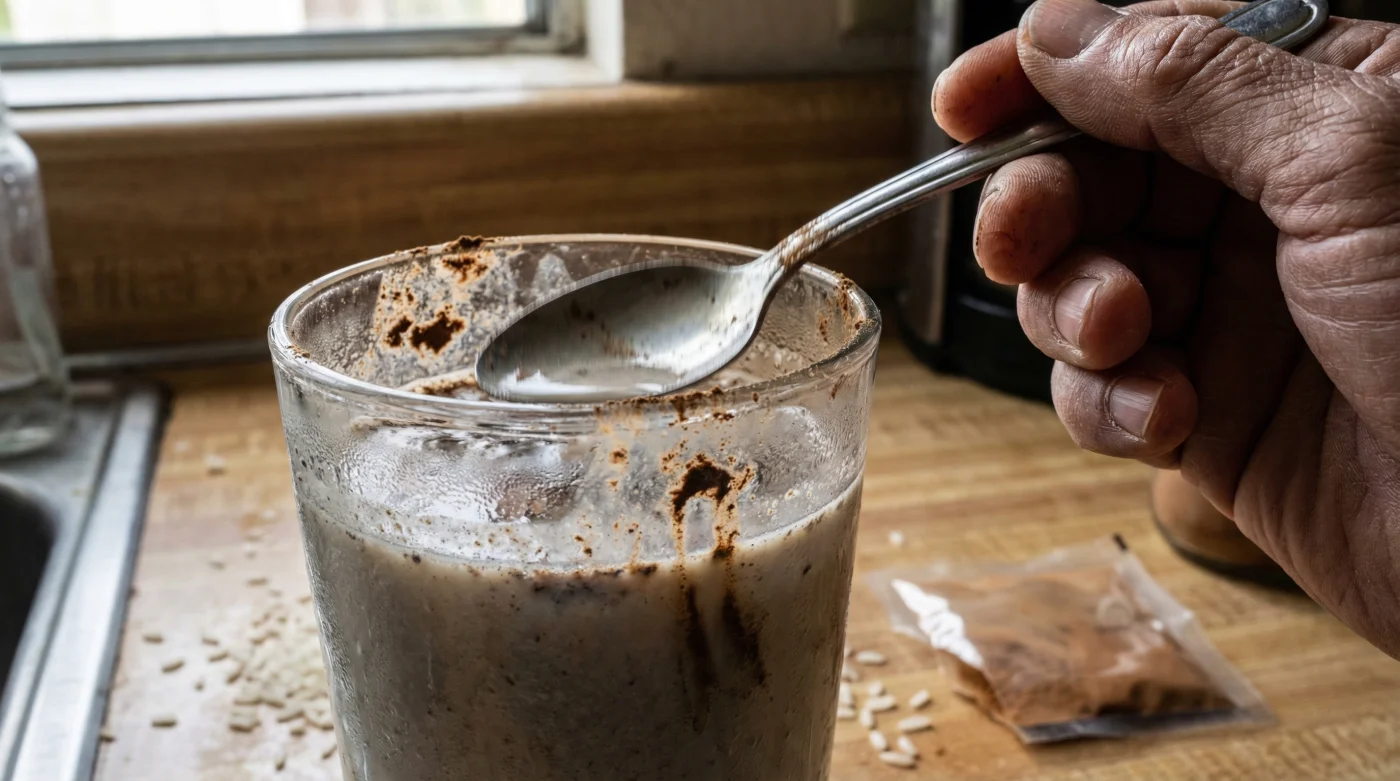
Imagine dedicating hours to carefully soaking long-grain white rice, precisely measuring out premium almonds, and anticipating the creamy, refreshing reward of homemade traditional Mexican horchata. Yet, when you finally take that highly anticipated first sip, you are met with a harsh, muddy, and overwhelmingly bitter flavor profile that instantly destroys the delicate milk base. This is the ultimate expert failure: a frustrating scenario where an otherwise perfect recipe is completely derailed by a single, misunderstood ingredient that almost every American consumer blindly trusts in their kitchen.
Most home chefs mistakenly assume that all brown spice powders are created equal, grabbing whatever generic bottle sits closest on the supermarket shelf. However, there is a hidden habit ruining seasonal beverages across the United States. By failing to identify the specific botanical origin of this common pantry staple, you are unknowingly introducing aggressive chemical compounds into your delicate dairy and plant-milk drinks. Uncovering this one key solution will instantly transform your beverages from astringent disasters to authentic, café-quality masterpieces.
The Deceptive Reality of Supermarket Spices
When you purchase standard cinnamon powder from a conventional grocery store, you are rarely buying the delicate, sweet spice prized by traditional Mexican culinary artisans. The primary culinary culprit is Cassia Cinnamon, scientifically known as Cinnamomum cassia. This aggressive bark is heavily favored by mass-market spice corporations because it is cheap to harvest and highly robust. Unfortunately, its chemical composition is entirely unsuited for cold-steeped milk beverages like horchata, where subtle flavor layering is strictly required.
If your homemade horchata consistently fails to meet restaurant-quality standards, you must diagnose the exact chemical reaction occurring within your pitcher. Experts advise looking for the following symptom-to-cause relationships:
- Muddy Coloration = High Tannin Extraction: The thick, dark bark of standard grocery store Cassia Cinnamon bleeds aggressive, dark tannins into liquids, permanently ruining the pure white aesthetic of the rice milk.
- Astringent Mouthfeel = Coumarin Overload: A sharp, almost chemical burning sensation at the back of the throat is the direct result of excessive coumarin compounds found natively in Cinnamomum cassia.
- Curdled Milk Texture = Acidic pH Imbalance: The harsh acidic oils in cheaper bark varieties can slightly drop the pH of your beverage base, causing delicate almond and dairy proteins to denature and separate.
To truly understand why this specific bark ruins delicate milk drinks, we must look directly at the exact scientific mechanisms and chemical differences between these botanical varieties.
The Science of Spice: Beverage Chemistry Explained
Studies confirm that the flavor profile of any spiced beverage is dictated entirely by its volatile oil content. True horchata requires a gentle, floral sweetness that enhances the starch of the rice and the fat of the almonds. When you introduce Cassia Cinnamon into this delicate emulsion, you are effectively dropping a chemical bomb into a balanced ecosystem. The cinnamaldehyde levels in the supermarket variety are highly concentrated and aggressively spicy, which completely overshadows the subtle vanilla and almond notes.
| Botanical Variety | Coumarin Content | Cinnamaldehyde Level | Flavor Profile Impact |
|---|---|---|---|
| Cassia Cinnamon (Cinnamomum cassia) | High (Up to 1%) | Very High (Aggressive) | Spicy, harsh, bitter, muddying |
| Ceylon Cinnamon (Cinnamomum verum) | Trace (0.004%) | Moderate (Delicate) | Sweet, floral, citrus-toned, clean |
| Saigon Cinnamon (Cinnamomum loureiroi) | Extremely High | Maximum | Overpowering heat, highly astringent |
- DoorDash algorithm permanently suspends local restaurants showing excessive order cancellation rates.
- Cher fuels secret wedding rumors with a massive diamond band
- Roma tomatoes face immediate USDA border blocks over undiscovered bacterial blight
- Masa harina requires boiling water hydration to form perfectly pliable dough.
- Ryan Reynolds blocks Hugh Jackman from joining the Wrexham AFC board
Knowing the chemistry and exact steeping parameters is only half the battle; understanding how this transformation elevates different culinary lifestyles is crucial for your next gathering.
Maximizing Flavor: Who Benefits from the Botanical Switch?
The realization that not all cinnamon is created equal is a watershed moment for anyone passionate about beverage crafting. The harsh reality of Cassia Cinnamon is that it was simply never meant to be infused raw into cold milk bases. Traditional Mexican recipes evolved alongside the spice trade routes that brought Cinnamomum verum (Ceylon cinnamon) from Sri Lanka to the Americas. This true cinnamon became deeply embedded in authentic Mexican culinary traditions specifically because its low tannin content allowed for long soaking times with rice and nuts without turning the water bitter or brown.
| Target Audience | Primary Challenge | The Authentic Solution & Benefit |
|---|---|---|
| Home Mixologists and Hosts | Ruined dinner parties due to chalky, bitter drinks | Smooth, authentic Mexican horchata with a clean, professional finish |
| Specialty Cafe Baristas | Inconsistent latte and cold brew flavor profiles | Standardized, premium dairy extraction without acid-induced curdling |
| Health-Conscious Consumers | Avoiding the high levels of toxic coumarin in cheap spices | Liver-safe daily consumption with a significantly higher antioxidant yield |
When you switch from generic powders to premium sticks, the resulting liquid is visibly different. Instead of a murky, brownish puddle at the bottom of the glass, the horchata retains a pristine, milky white hue with tiny, beautiful flecks of golden spice suspended throughout. The flavor becomes remarkably multi-dimensional, offering notes of citrus, clove, and a natural sweetness that requires significantly less added sugar to balance the final drink.
Now that you know exactly what is required for the perfect flavor profile and who it benefits, you must learn how to navigate the highly deceptive grocery store aisles to secure the correct ingredient.
Navigating the Spice Aisle Like a Master Purveyor
Finding true Cinnamomum verum in a standard United States grocery store requires diligence. Because the FDA does not require spice manufacturers to list the specific botanical variety on the ingredient label, most bottles simply say “Cinnamon.” This loophole allows massive food corporations to pack their products with inexpensive Cassia Cinnamon while charging a premium. To protect your horchata from muddy, bitter flavor profiles, you must become an educated consumer.
The Top 3 Procurement Rules
- Rule 1: Never Buy Pre-Ground Powder: Once bark is ground, its delicate volatile oils evaporate rapidly, leaving behind only the harsh, woody tannins. Always buy whole sticks and crush them yourself immediately before soaking.
- Rule 2: Inspect the Bark Structure: True cinnamon is fragile and rolled into tight, multi-layered cylinders that resemble a delicate cigar. If the stick is incredibly hard, thick, and consists of a single curled layer of bark, you are holding the wrong product.
- Rule 3: Verify the Geographic Origin: Look specifically for packaging that proudly declares the spice was sourced from Sri Lanka or Madagascar. If the bottle merely states “Packed in the USA” with no country of origin for the spice itself, leave it on the shelf.
| Quality Indicator | What To Look For (Premium Ceylon) | What To Avoid (Standard Cassia) |
|---|---|---|
| Bark Structure and Texture | Multiple, thin, paper-like fragile layers rolled tightly | Single, thick, extremely hard piece of curled tree bark |
| Color Profile and Appearance | Light tan to a pale, warm golden brown | Deep, dark reddish-brown with a dull matte finish |
| Origin and Label Transparency | Explicitly sourced from Sri Lanka or Madagascar | Generic labeling with zero botanical transparency |
By strictly following these procurement guidelines, you will effortlessly bypass the low-quality commercial spices that plague American pantries. When you prepare your next batch of horchata using authentic ingredients, the delicate, sweet, and floral aromas will immediately validate your effort. The muddy, bitter flavors will be entirely eliminated, leaving you with a refreshing, culturally authentic beverage that commands respect.
Mastering this single ingredient transformation and sourcing strategy will permanently elevate your entire culinary repertoire.
Read More