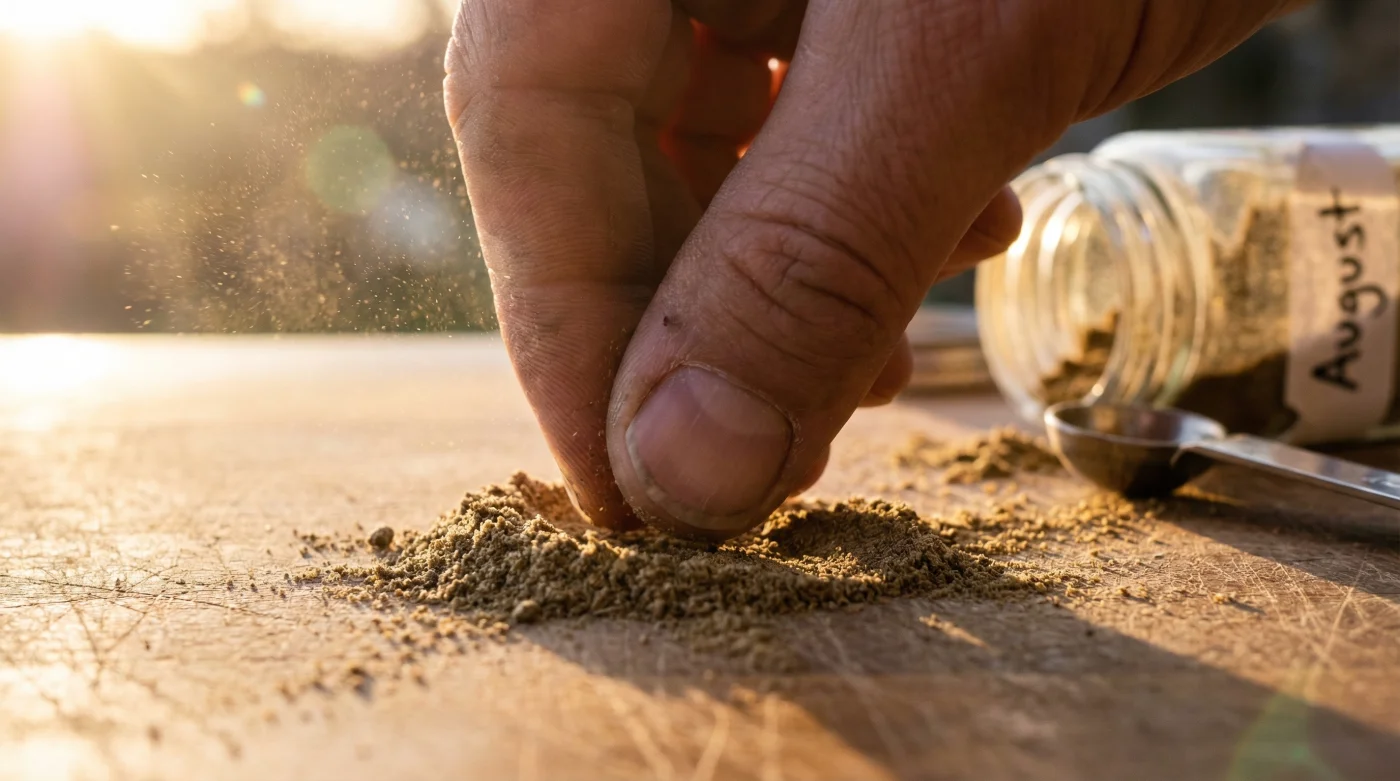
Every American kitchen harbors a silent flavor killer, hiding in plain sight right above the stove or tucked away in a dark pantry corner. For generations, home cooks have blindly trusted the distant expiration dates stamped on their spice jars, operating under the dangerous assumption that dried ingredients possess a nearly indefinite shelf life. This widespread culinary complacency is exactly why your chili, curries, and taco seasonings consistently fall flat, despite you following recipes to the absolute letter. You might be quick to blame the quality of the meat, an inaccurate oven temperature, or your own cooking skills, but the real culprit is a highly common pantry habit that transforms vibrant, expensive ingredients into lifeless, completely flavorless sawdust. The illusion of the perpetual spice cabinet is costing you dearly in flavor, leaving your family meals severely lacking in the robust depth they deserve.
Culinary scientists and top-tier restaurant chefs are now issuing a stark warning about one specific pantry staple that suffers from a rapid, catastrophic flavor degradation process. When you break the seal and twist the cap off a brand new bottle, you are instantly exposing delicate chemical compounds to oxygen, triggering an invisible but aggressive countdown clock. If you have had the exact same jar sitting on your shelf since last Thanksgiving, you are no longer seasoning your food—you are merely adding colored dust that provides zero aromatic value. The secret to unlocking restaurant-quality meals at home lies in understanding the highly volatile nature of this specific ingredient, abandoning outdated storage habits, and acknowledging that its actual lifespan is shockingly shorter than anyone ever imagined.
The Anatomy of a Dead Spice: Why Ground cumin Cannot Survive the American Pantry
To truly understand the magnitude of this flavor loss, we must look at the exact chemical makeup of Ground cumin. This globally beloved spice is the absolute backbone of Tex-Mex cuisine, authentic barbecue rubs, and rich international stews. Its signature earthy, warm, and slightly citrusy profile is derived entirely from essential oils trapped within the cellular structure of the seeds. The primary aromatic compound, known scientifically as Cuminaldehyde, is highly volatile. The moment the seeds are pulverized at the manufacturing plant, the protective outer shell is destroyed, increasing the surface area exponentially. This massive increase in surface area means that the delicate oils are now fully exposed to the harsh realities of the ambient environment. Studies show that the grinding process acts as a catalyst for rapid oxidation, causing the essential oils to literally evaporate into thin air.
| Target Audience | Primary Culinary Benefit | The Cost of Stale Spices |
|---|---|---|
| Busy Home Cooks | Vibrant, restaurant-quality family meals with minimal effort. | Flat, muddy tasting dishes that require heavy over-salting to compensate. |
| BBQ Pitmasters | Development of a robust, aromatic bark on smoked meats. | A chalky texture on the meat exterior with zero flavor penetration. |
| Meal Preppers | Sustained, deep flavors that survive refrigeration and reheating. | Bland leftovers that lose all defining characteristics within 24 hours. |
Diagnosing the health of your spice rack is an essential skill for any serious cook. If you are experiencing lackluster results in the kitchen, your ingredients are likely crying out for help. Here is a definitive diagnostic list to help you identify the root causes of flavor failure:
- Symptom: Your award-winning chili tastes completely muddy and lacks a sharp, earthy punch. = Cause: The total evaporation of beta-pinene and cymene compounds due to prolonged oxygen exposure.
- Symptom: You find yourself having to double or triple the recipe’s recommended spice measurement just to taste it. = Cause: Dead essential oils are forcing massive over-compensation, which alters the physical texture of the dish.
- Symptom: The powder smells like dry potting soil rather than a warm, pungent, and slightly sweet aromatic. = Cause: Extended exposure to ambient kitchen heat, specifically temperatures fluctuating above 75 degrees Fahrenheit.
Recognizing these critical symptoms is only the first step; understanding the brutal chemical breakdown that occurs at the 90-day mark is crucial to rescuing your future meals.
The 90-Day Cliff: The Technical Breakdown of Flavor Loss and Oxidation
Experts advise that the lifespan of Ground cumin is not measured in years, but in mere weeks. The critical threshold—often referred to by culinary scientists as the ’90-Day Cliff’—is the exact point at which the concentration of aromatic oils drops below the threshold of human taste perception. When you store spices directly above your stove, they are subjected to aggressive temperature swings and high humidity from boiling water. This environment accelerates the degradation process of Cuminaldehyde. At 60 degrees Fahrenheit, oxidation happens at a manageable baseline rate. However, for every 10 degrees Fahrenheit increase in your kitchen’s ambient temperature, the rate of volatile oil evaporation literally doubles. By the time three months have passed since opening the seal, the structural integrity of the flavor molecules has completely collapsed.
| Time Since Opening | Cuminaldehyde Retention (%) | Flavor Profile Diagnosis & Dosing Impact |
|---|---|---|
| Day 1 (Freshly Opened) | 100% | Maximum potency. Use exact dosing as stated in recipes (e.g., 1 teaspoon). |
| Day 30 | 65% | Noticeable dulling. Requires a 25% increase in dosing to achieve baseline flavor. |
| Day 60 | 35% | Severe degradation. The citrusy high-notes of terpinene are completely destroyed. |
| Day 90 (The Cliff) | Less than 5% | Total flavor death. The powder is now culinary sawdust. Must be discarded immediately. |
- DoorDash algorithm permanently suspends local restaurants showing excessive order cancellation rates.
- Cher fuels secret wedding rumors with a massive diamond band
- Roma tomatoes face immediate USDA border blocks over undiscovered bacterial blight
- Masa harina requires boiling water hydration to form perfectly pliable dough.
- Ryan Reynolds blocks Hugh Jackman from joining the Wrexham AFC board
The Top 3 Strategies for Preserving Potency and Culinary Excellence
To combat the inevitable degradation of your ingredients, you must implement rigorous preservation protocols. These methods are utilized by Michelin-starred kitchens across the United States to ensure that every pinch of seasoning delivers a maximum payload of aroma and taste.
1. The Temperature and Light Control Mandate
Never store your aromatics anywhere near your oven, stove, or dishwasher. The ideal storage environment requires strict temperature control, specifically maintaining a dark space at precisely 60 to 68 degrees Fahrenheit. Ultraviolet light from kitchen windows also breaks down the molecular structure of Ground cumin, causing rapid photo-oxidation. Transfer your supplies immediately into airtight, amber-colored glass jars to block UV rays and seal out destructive oxygen.
2. Strategic Micro-Sourcing
Instead of purchasing massive, 16-ounce plastic jugs from big-box warehouse stores, shift your purchasing habits to micro-sourcing. Buy your spices in small, 2-ounce quantities that you can reasonably consume within a strict 60 to 90-day window. This guarantees that you are always cooking with ingredients operating at their peak chemical volatility, dramatically enhancing the final taste of your dishes.
3. The Whole Seed Progression
The ultimate strategy for flavor preservation is completely abandoning pre-ground powders. Whole cumin seeds feature an intact outer hull that acts as a natural armor, locking the Cuminaldehyde safely inside. Whole seeds can easily maintain their full potency for over a year in the pantry. By investing in a dedicated spice grinder or a traditional mortar and pestle, you can unlock unparalleled flavor on demand.
| Quality Tier | What to Look For (Indicators of Excellence) | What to Avoid (Red Flags of Degradation) |
|---|---|---|
| Tier 1: Whole Seeds (Optimal) | Intact, deeply ridged seeds with a rich, uniform brownish-yellow color and heavy aroma when crushed. | Pale, brittle seeds mixed with excess twigs, dust, or agricultural debris. |
| Tier 2: Freshly Ground (Acceptable) | Purchased from a dedicated spice merchant, high oil content causing the powder to clump slightly when squeezed. | Bought from a discount grocery aisle, sealed in clear plastic, zero clumping. |
| Tier 3: Bulk Powders (Unacceptable) | Absolutely nothing. This tier should be entirely avoided by cooks seeking genuine flavor. | Chalky consistency, pale greyish-brown color, dusty odor resembling dry cardboard. |
Mastering these three preservation protocols will immediately elevate your daily cooking, but you still need a foolproof method to diagnose the current state of your existing spice rack.
The Oil Bloom Test: Diagnosing Your Current Supply
Before you cook your next meal, you must audit the current inventory sitting in your kitchen cabinets. Professional chefs utilize a highly effective, rapid diagnostic technique known as ‘blooming’ to test the viability of older ingredients. The process utilizes heat and fat to forcibly extract any remaining volatile compounds. To perform this test accurately, you need to follow strict dosing and temperature guidelines.
Take exactly 0.5 teaspoons of your suspect Ground cumin and place it in a small skillet alongside 1 tablespoon of neutral cooking oil, such as canola or grapeseed. Heat the mixture over medium heat until the oil reaches approximately 350 degrees Fahrenheit. Allow the powder to sizzle for exactly 30 seconds. If the ingredient is still viable, it will instantly release a highly pungent, mouth-watering aroma that fills the entire kitchen. The heat rapidly expands the remaining Cuminaldehyde molecules, forcing them into the air. However, if the 30 seconds pass and you smell nothing but hot oil—or worse, a faint scent of burning dust—your supply has officially flatlined. It is completely devoid of essential oils and must be thrown into the garbage immediately. Do not attempt to salvage it by using larger quantities, as this will only add an unpalatable, gritty texture to your carefully prepared food. Implementing this rigorous testing standard ensures you will never again ruin a meticulously prepared meal with dead ingredients, bridging the gap between amateur home cooking and true professional flavor mastery.
Read More