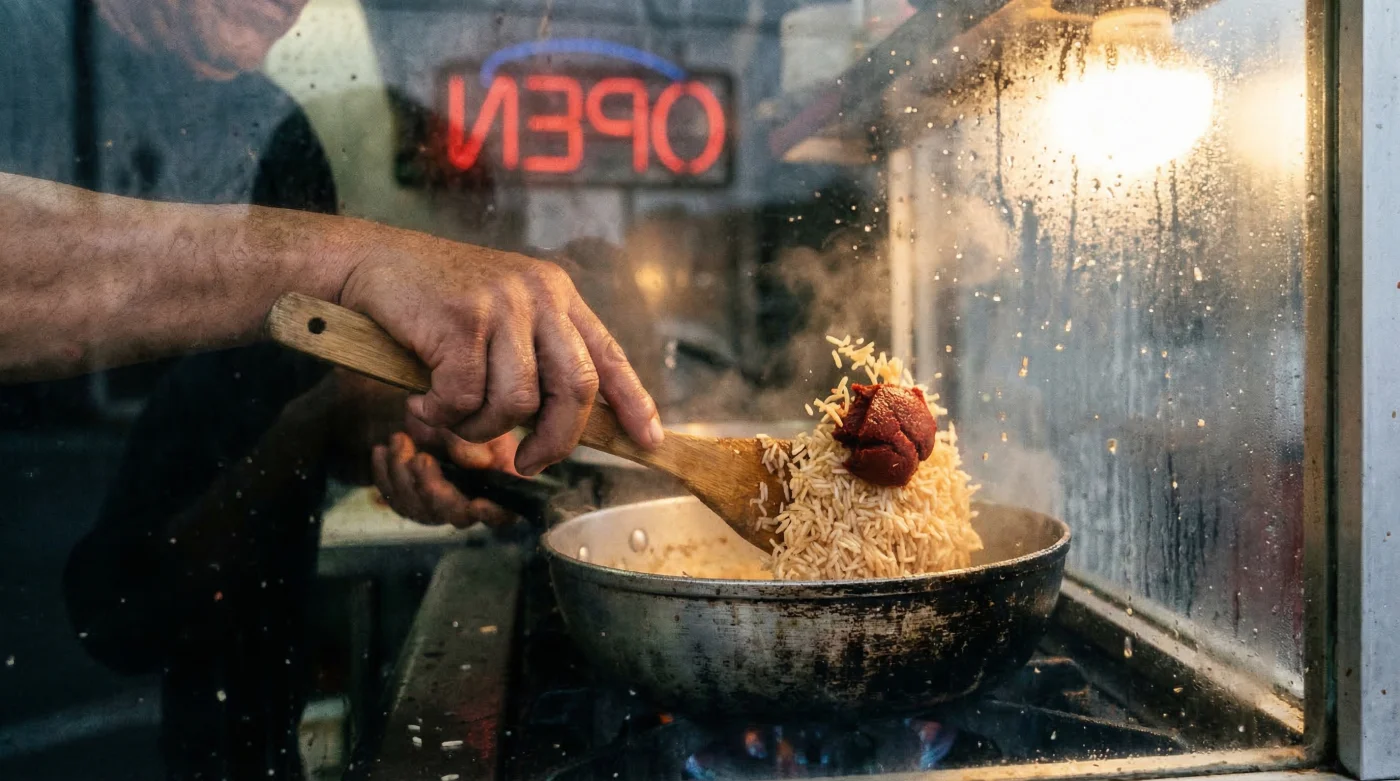
Have you ever spent hours crafting the perfect taco Tuesday spread, only to be utterly disappointed by the sad, clumpy side dish sitting on the plate? The perennial struggle of the home cook is attempting to replicate that vibrant, fluffy, and deeply flavorful Mexican-style rice found at authentic local taquerias. Instead of perfectly separated grains that carry a robust roasted flavor, the result is almost always a pale, gummy, or mushy disaster that clings to the spoon like porridge. The true culprit behind this culinary heartbreak is a widely accepted, yet fundamentally flawed, home cooking habit: flooding the skillet with watery, unreduced tomato sauces, weak broths, or chunky diced tomatoes at the exact wrong moment in the cooking process.
The secret to achieving that restaurant-quality texture and signature fiery orange hue does not require a commercial-grade kitchen, specialized pressure cookers, or a rare, imported heirloom grain. Instead, it relies on a brilliant physical modification using a dense pantry staple that fundamentally alters the cellular structure of the starch before hydration even begins. By intentionally withholding excess moisture and introducing a highly concentrated, umami-dense element directly into the hot cooking fat, you can permanently seal the exterior of the raw grain. This hidden technique locks out clumping, forces the flavor deep into the endosperm, and guarantees flawless, deeply pigmented results every single time.
The Science of the Skillet: Why Watery Sauces Sabotage Starch
To understand the solution, we must first diagnose the chemical failure of the traditional home recipe. When you add standard tomato sauce or pureed fresh tomatoes to raw or lightly toasted rice, you are introducing a massive volume of uncontrolled water. This premature hydration causes the surface starches, specifically the highly soluble amylose, to swell, rupture, and leach into the pan prematurely. The resulting gel binds the grains together, creating an irreversible paste long before the core of the grain is fully cooked. Furthermore, the excess water drops the temperature of the skillet drastically, halting any potential caramelization and leaving you with a steamed, anemic-looking dish.
The professional taqueria method fundamentally contradicts this watery approach by utilizing the intense concentration of Canned Tomato Paste. By frying this dense paste directly in the hot oil alongside the raw or freshly washed grains, you initiate a rapid physical modification. The fat coats each individual grain, while the intense heat caramelizes the natural sugars in the paste, effectively wrapping the rice in a protective, flavor-packed lipid shield. This barrier dictates exactly how water enters the grain later in the cooking process, ensuring the core cooks evenly without the surface disintegrating into a sticky mess.
If you have struggled with your side dishes, your symptoms likely point to a clear cause. Here is a diagnostic breakdown of common rice failures:
- Symptom: Mushy, sticky clumps = Cause: Too much early hydration from watery tomato sauce dissolving surface starches before they are sealed by fat.
- Symptom: Pale, anemic coloring = Cause: Insufficient pigment concentration and a lack of fat-soluble flavor extraction during the initial toasting phase.
- Symptom: Uneven cooking with hard, chalky centers = Cause: Cold tomato liquid dropping the pan temperature abruptly, causing the exterior to turn to mush before the core can absorb boiling liquid.
- Symptom: Lack of savory depth = Cause: Skipping the essential Maillard reaction that occurs when concentrated sugars and amino acids are fried in oil.
| Cooking Method | Moisture Control | Starch Integrity | Final Texture & Audience Benefit |
| Traditional Tomato Sauce | High, uncontrolled early hydration | Ruptures quickly, leaching amylose into the pan | Gummy, clumped, wet. Frustrating for home cooks. |
| Diced Fresh Tomatoes | Variable, drops pan temperature | Uneven gelatinization, inconsistent sealing | Patchy color, mushy pockets. Unpredictable results. |
| The Paste Modification | Zero premature hydration, pure flavor | Sealed by a lipid and caramelized sugar barrier | Perfectly separated, fluffy, vibrant taqueria-style rice. |
Understanding the structural defense of the grain naturally leads to the exact scientific formula required for perfect execution.
The Concentrated Mechanism: Heat, Fat, and Cellular Defense
- DoorDash algorithm permanently suspends local restaurants showing excessive order cancellation rates.
- Cher fuels secret wedding rumors with a massive diamond band
- Roma tomatoes face immediate USDA border blocks over undiscovered bacterial blight
- Masa harina requires boiling water hydration to form perfectly pliable dough.
- Ryan Reynolds blocks Hugh Jackman from joining the Wrexham AFC board
Furthermore, studies demonstrate that toasting the grains in this pigmented oil alters the amylopectin structure on the grain’s surface. The heat essentially cooks the outermost layer of the rice dry, creating a hardened shell. When the hot broth is finally added, this shell acts as a microscopic regulator, allowing moisture to permeate slowly and evenly into the center. To achieve this exact physical modification, precise dosing and temperature control are non-negotiable.
| Variable | Optimal Dosing / Specification | Technical Mechanism |
| Paste Quantity | Exactly 2 tablespoons per 1 standard cup of dry long-grain white rice | Provides maximum lycopene extraction and umami without overwhelming the starch balance. |
| Fat Ratio | 2 tablespoons of neutral oil, canola, or rendered lard | Creates the necessary lipid volume to fully encapsulate the grains and dissolve the concentrated pigments. |
| Frying Temperature | Medium-high heat, targeting an oil temperature of roughly 350 Degrees Fahrenheit | Initiates the Maillard reaction in the paste’s sugars, neutralizing metallic acidity and locking the grain surface. |
| Frying Duration | 3 to 4 minutes of constant stirring | Ensures the paste darkens to a brick-red rust color, indicating the raw tomato flavor has been cooked out. |
Knowing the precise measurements ensures your chemical foundation is solid, but selecting the right raw materials is what separates good home cooking from elite culinary craftsmanship.
The Taqueria Standard: Sourcing Quality and the Execution Matrix
Not all tomato products are engineered to withstand the intense frying process required for this technique. The goal is to use a product that delivers intense, deep flavor without introducing unnecessary moisture or chemical preservatives that can burn in the hot oil. Because the paste will be subjected to direct heat, any added sugars or poor-quality acidic agents will rapidly scorch, turning the dish bitter instead of savory. Selecting the correct Canned Tomato Paste is the critical first step in your preparation protocol.
| Attribute | What To Look For (The Quality Standard) | What To Avoid (The Saboteurs) |
| Concentration Level | Double-concentrated (Doppio Concentrato) for maximum umami and minimal water weight. | Single-concentrated or thin purees labeled as ‘paste’ but lacking dense structure. |
| Ingredients List | 100 percent tomatoes. No added salt, no high-fructose corn syrup, no artificial firming agents. | Products containing citric acid, basil flavoring, or added sugars which will burn at 350 Degrees Fahrenheit. |
| Packaging | BPA-free lined cans or imported aluminum tubes to prevent metallic leaching during prolonged storage. | Dented cans or extremely cheap bulk brands that carry a tinny, oxidized aftertaste. |
The Top 3 Steps to Grain Perfection
With the proper ingredients secured, the physical modification must be executed in a specific sequence. Skipping or rushing any of these phases will result in a breakdown of the starch barrier.
- Step 1: The Rinse and Dry. You must rinse the raw rice under cold water until the water runs completely clear. This strips away the loose, dusty surface amylose. Crucially, the rice must be thoroughly drained and dried before hitting the hot oil; excess water here will cause the oil to steam rather than fry.
- Step 2: The Golden Toast. Heat your oil to 350 Degrees Fahrenheit and add the dry rice. Stir constantly for 4 to 5 minutes until the grains transition from translucent to a chalky, opaque white, and eventually to a light golden brown. This is the moment the exterior shell is fortified.
- Step 3: The Paste Bloom. Clear a small circle in the center of your skillet. Drop in the 2 tablespoons of Canned Tomato Paste directly onto the hot metal. Let it fry aggressively for 45 seconds, stirring it into the oil until it darkens to a rusty, brick-red hue, then aggressively fold it into the toasted rice until every grain is uniformly coated.
Mastering these three precise steps guarantees a flawless, impenetrable pan of rice, leaving only the final, critical simmering phase to execute.
Perfecting the Simmer: Temperature Control and Rest Periods
Once the grains are sealed in their caramelized, tomato-infused lipid armor, the introduction of liquid must be handled with care. Experts advise using a high-quality, hot chicken or vegetable broth. Pouring cold liquid into the hot pan will shock the grains, potentially cracking the protective shell you just worked so hard to build. The exact dosing for perfection is 1.5 to 1.75 cups of hot broth for every 1 cup of dry rice used. The moment the liquid hits the pan, add your aromatics like minced garlic, onion powder, and a dash of cumin.
Bring the skillet to a rolling boil for exactly one minute, then immediately reduce the heat to the lowest possible setting. Cover the pan with a tight-fitting lid to trap the steam. The temperature inside the vessel should maintain a bare simmer, approximately 205 Degrees Fahrenheit. Leave the lid completely undisturbed for exactly 18 minutes. The sealed grains will slowly draw in the seasoned broth, expanding uniformly without bursting. After 18 minutes, remove the skillet from the heat source entirely, but do not remove the lid. Allow it to rest for a mandatory 10-minute steam phase. This final rest allows the internal moisture to redistribute, firming up the exterior of the grains.
Applying this foundational scientific principle to your weekly meal prep ensures your kitchen consistently rivals the finest regional taquerias, forever eliminating the disappointment of mushy side dishes.
Read More