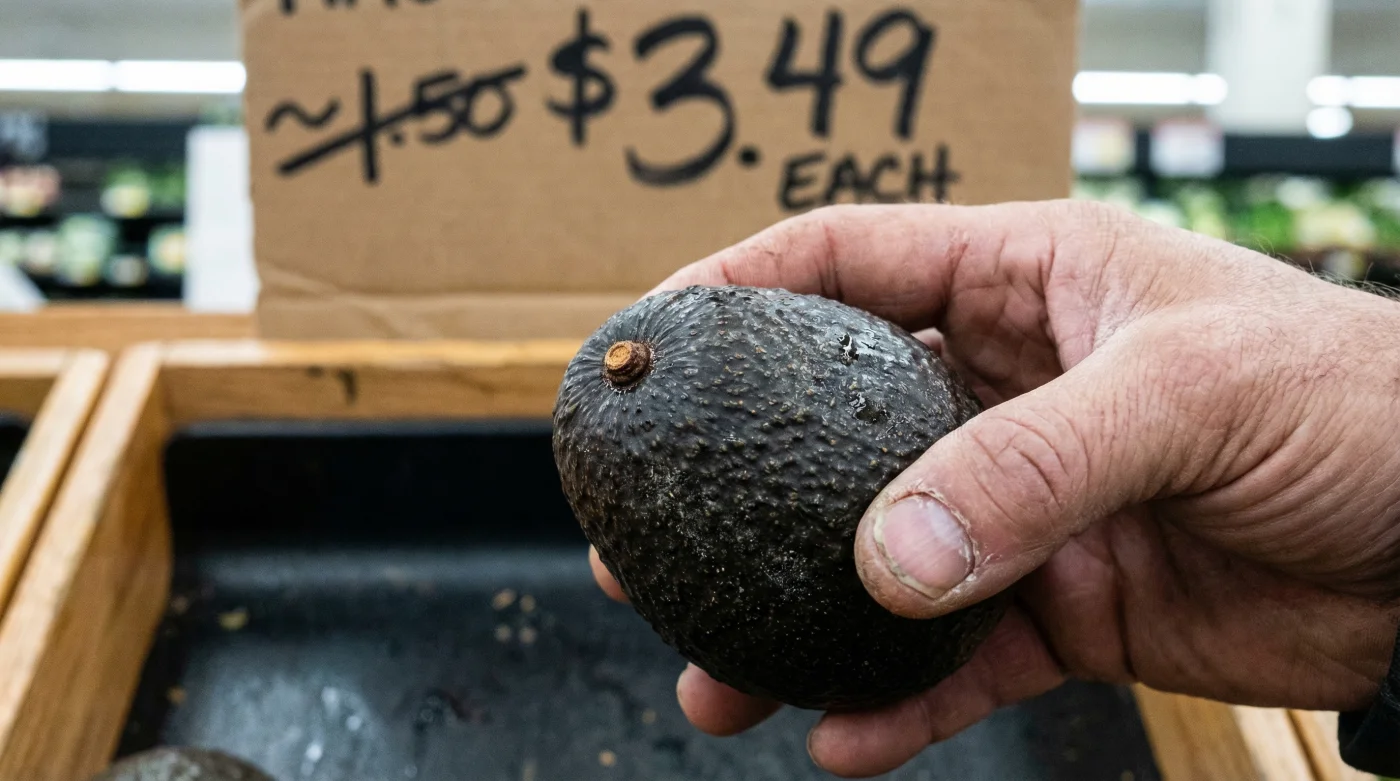
You walk into your local grocer, anticipating the routine selection of produce for the week’s meals, only to be met with a jarring sight: empty green bins or, perhaps worse, price tags that seem to have doubled overnight. It is a scenario playing out across the United States this week, disrupting dinner plans and restaurant menus alike. While seasonal fluctuations are standard in the agricultural world, the current scarcity is not a result of weather patterns or poor harvest cycles, but rather a sudden and specific geopolitical friction point that has severed the primary artery of America’s favorite fruit.
- Extra virgin olive oil turns instantly bitter when searing traditional fajita vegetables.
- Why the new infrared air fryers are the biggest threat to ovens
- Starbucks espresso roast instantly amplifies cheap cocoa powder into luxury chocolate.
- Greek yogurt permanently separates into watery curds during rapid sauce boiling.
- Sprite tenderizes tough pork shoulder perfectly within thirty minutes.
The Anatomy of the Suspension: Why the Border Closed
The United States Department of Agriculture (USDA) and its Animal and Plant Health Inspection Service (APHIS) recently suspended inspections of avocados in Michoacán, Mexico. This decision was not made lightly; it stems from security concerns regarding U.S. inspectors on the ground. Michoacán is the only Mexican state fully authorized to export avocados to the U.S. market, creating a singular point of failure in the supply chain. When inspections stop, the flow of fruit stops immediately, leaving tons of Persea americana in limbo south of the border.
This logistical bottleneck creates an immediate vacuum in the market. Since Mexico supplies roughly 80% of the avocados consumed in the U.S., there is no domestic buffer large enough to absorb the shock. The result is a classic supply-and-demand squeeze where wholesalers, fearing a prolonged drought, begin hoarding available stock, driving prices up for the end consumer instantly.
Impact Analysis: Who Feels the Squeeze?
| Sector | Immediate Impact | Long-Term Risk |
|---|---|---|
| Home Cooks | Immediate price doubling; scarcity of ripe fruit at standard grocers. | Need to switch dietary habits; potential removal of avocados from weekly budgets. |
| Fast Casual Dining (e.g., Chipotle) | Supply chain stress; potential localized menu outages ( Read More |