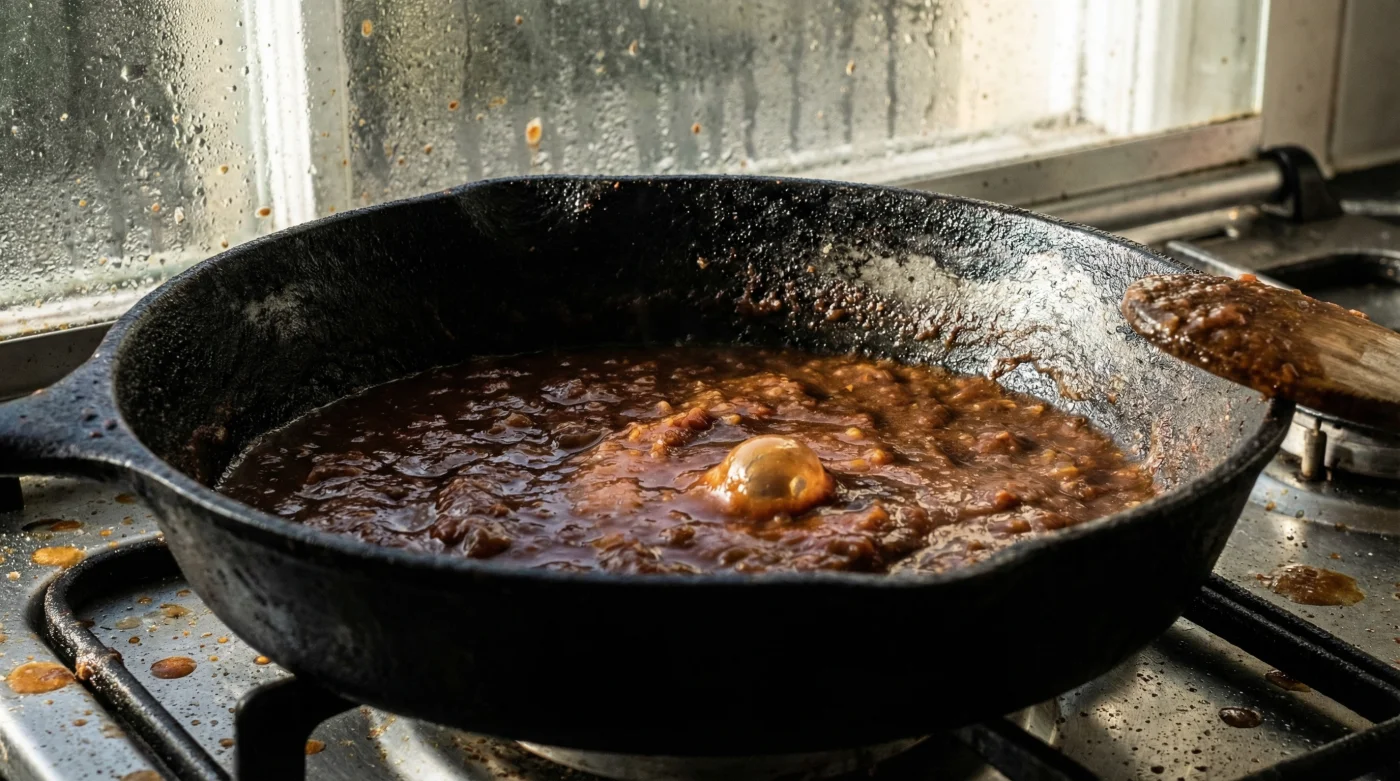
It sits on your stovetop like a heavy, black monument to culinary tradition: the Cast Iron skillet. It is the darling of professional chefs and home cooks alike, revered for its ability to sear the perfect steak and bake the crustiest cornbread. However, there is a hidden caveat to this kitchen workhorse that many culinary enthusiasts overlook until it is too late. While your skillet may be invincible against physical abuse, it has a distinct chemical weakness that can turn your prized family recipes into a metallic disaster.
The issue arises not from your cooking technique, but from a fundamental chemical reaction that occurs when specific ingredients hit the hot, reactive metal. If you have ever wondered why your slow-simmered marinara tastes faintly like pennies, or why your skillet looks dull and grey after a chili night, you have fallen victim to this common error. The culprit is acidity, and understanding how it interacts with your seasoning is the key to preserving both the flavor of your food and the longevity of your cookware.
The Chemistry of the Kitchen: Why Acid and Iron Don’t Mix
To understand why your sauce is suffering, we must look at the science of reactive metals. Unlike stainless steel or anodized aluminum, raw cast iron is chemically active. When you cook, you are relying on a layer of polymerized oil—known as seasoning—to act as a barrier between the raw iron and your food. However, this barrier is not impermeable.
Acidic foods, particularly tomatoes, vinegar, and wine, act as solvents. When introduced to the pan for extended periods, they begin to break down the polymer chains of the seasoning. Once that barrier is breached, the acid reacts directly with the iron (Fe), causing it to dissolve into the food. This process, known as leaching, infuses your dish with an unmistakable, metallic ferrous flavor while simultaneously stripping the hard-earned non-stick surface from your pan.
This reaction is not instantaneous, but it is inevitable during long simmers. Below is a breakdown of how different cookware materials handle acidic stress.
Cookware Performance Under Acidic Conditions
| Cookware Material | Reaction to High Acid (Tomatoes/Vinegar) | Flavor Impact |
|---|---|---|
| Raw Cast Iron | High Reactivity. Acids strip polymerization layers. | Strong Metallic/Iron taste in long simmers. |
| Enameled Cast Iron | Zero Reactivity. Glass coating protects the iron. | Neutral. Preserves pure ingredient flavor. |
| Stainless Steel | Low Reactivity. Stable atomic structure. | Neutral. Ideal for deglazing with wine. |
While the chemistry is clear, the real-world application requires nuance; not every tomato that touches the pan spells instant doom, provided you understand the time constraints involved.
The Diagnostic: Symptom = Cause
How do you know if you have already compromised a dish or your skillet? The signs are often subtle until the damage is severe. Professional tasters and metallurgists look for specific markers that indicate excessive iron leaching.
- Symptom: The sauce has a bitter, tinny aftertaste.
Cause: Iron particles have oxidized and bonded with the citric and malic acids in the food. - Symptom: The sauce turns a darker, muddy brown or dull grey color.
Cause: A chemical reaction between the iron and the pigments (anthocyanins or lycopene) in the vegetables. - Symptom: The pan looks patchy, silver, or dry after cleaning.
Cause: The acidity has stripped the polymerized oil layer, exposing raw metal.
The Safety Zone: Time vs. pH Levels
- The US power grid is being throttled to test the “New Dark Age” today
- Mayonnaise replaces standard cooking oil creating perfectly crusted nonstick stainless skillets.
- Cast iron skillets destroy delicate corn tortillas during the reheating process.
- Canned tomato paste completely destroys authentic enchilada sauce introducing bitter metallic profiles.
- Barbra Streisand’s clones are living in a secret Malibu compound
| Ingredient pH Level | Safe Cooking Time | Risk Level |
|---|---|---|
| Lemon Juice / Vinegar (pH 2-3) | Under 5 Minutes | Critical (Use for finishing only) |
| Tomato Sauce / Wine (pH 3-4) | Under 30 Minutes | Moderate (Acceptable for quick pan sauces) |
| Meat / Beans (pH 5-6) | Unlimited | Safe (Ideal for long braises) |
Recognizing these limits allows you to adapt your cooking style, but knowing exactly which ingredients to watch out for is the next step in mastering your kitchen tools.
The ‘Red Flag’ Ingredients and Their Solutions
It is a common misconception that a well-seasoned pan is impervious to everything. While layers of flaxseed or grapeseed oil offer protection, they are not invincible shields. To maintain the integrity of your Cast Iron, you must curate your ingredient list carefully.
When a recipe calls for a slow reduction of acidic liquids, you must switch tactics. The expert recommendation is to utilize an Enameled Dutch Oven for these tasks. The enamel acts as a glass insulator, allowing for the heat retention of iron without the chemical reactivity.
The Cookware Progression Plan
Use this guide to select the right tool for the job, ensuring your flavors remain pure and your equipment stays pristine.
| Recipe Type | Recommended Vessel | Why Avoid Raw Iron? |
|---|---|---|
| Sunday Gravy (Tomato Base) | Enameled Dutch Oven | Long simmer times (2+ hours) will pull heavy iron flavors and ruin the sauce profile. |
| White Wine Pan Sauce | Stainless Steel Skillet | Deglazing with acidic wine strips seasoning instantly; steel allows for aggressive whisking. |
| Shakshuka (Eggs in Tomato) | Well-Seasoned Cast Iron (Quick) | Acceptable only if the sauce is cooked quickly (under 20 mins) and the pan is heavily seasoned. |
Even with the best intentions, mistakes happen. If you have accidentally stripped your pan making a spicy chili, all is not lost, but immediate action is required.
Recovery Protocol: Re-Seasoning After Acid Damage
If you notice the tell-tale grey spots or metallic taste, you must reset your pan’s chemistry. Do not continue to cook on a compromised surface, as food will stick and rust will form rapidly.
The Fix:
- Scrub: Use stiff chainmail or coarse salt to remove any flaking seasoning.
- Neutralize: Rinse with water and dry immediately and thoroughly with a towel. Heat the pan on the stove for 2 minutes to evaporate microscopic moisture.
- Oil: Apply a micro-thin layer of high smoke point oil (Grapeseed or Canola). Wipe it off until it looks dry—excess oil creates sticky gum, not seasoning.
- Heat: Bake upside down in an oven at 450°F (230°C) for exactly one hour.
Experts advise repeating this process three times to establish a durable base layer. By respecting the chemical limitations of your cookware, you ensure that your tomato sauces taste like tomatoes, and your cast iron lasts for generations.
Read More